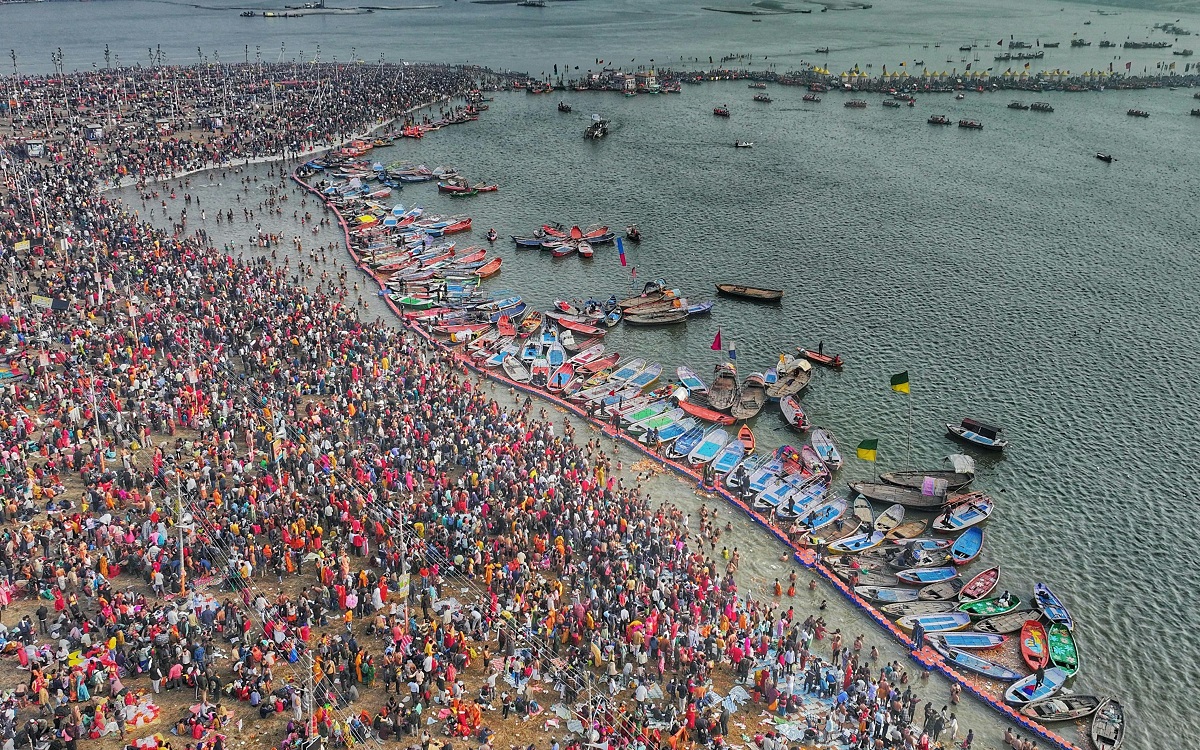
Kumbh Mela, the world’s largest religious gathering, is a breathtaking spectacle of faith, devotion, and cultural heritage. Held at four sacred locations—Prayagraj, Haridwar, Nashik, and Ujjain—this grand spiritual festival attracts millions of devotees, saints, and travelers from around the globe. Rooted in Hindu mythology and traditions, it is a once-in-a-lifetime experience that offers deep insights into spirituality and ancient rituals.
More than just a religious congregation, Kumbh Mela is a vibrant cultural phenomenon where spirituality, philosophy, and tradition merge. Recognized by UNESCO as an Intangible Cultural Heritage, the festival showcases mesmerizing processions, sacred river dips, enlightening discourses, and spectacular aartis that captivate every visitor. Whether you seek spiritual awakening or wish to witness India’s rich cultural tapestry, Kumbh Mela is an experience unlike any other.
In this article, we explore the most unforgettable experiences at Kumbh Mela—those moments that define the essence of this grand gathering and leave an everlasting impression on all who participate.

What is Kumbh Mela?
Kumbh Mela is one of the most significant Hindu pilgrimage festivals, celebrated at four sacred locations—Prayagraj, Haridwar, Nashik, and Ujjain. Its origins trace back to Hindu mythology, especially the legend of Samudra Manthan, or the Churning of the Ocean. According to this ancient tale, drops of Amrit (nectar of immortality) spilled at these four places, making them spiritually potent and ideal for this grand gathering.
Types of Kumbh Mela
- Maha Kumbh Mela – Held every 12 years, exclusively in Prayagraj.
- Purna Kumbh Mela – Held every 12 years at all four sacred locations.
- Ardh Kumbh Mela – Occurs every 6 years in Prayagraj and Haridwar.
- Magh Mela (Mini Kumbh) – An annual festival held in Prayagraj.
Why It’s Special
Kumbh Mela is recognized by UNESCO as an Intangible Cultural Heritage and is a spiritual confluence of saints, ascetics, and millions of devotees seeking enlightenment. The festival is marked by sacred river dips, profound discourses, and grand processions, creating an atmosphere of divine energy. It is a once-in-a-lifetime experience that embodies the essence of devotion, faith, and spiritual awakening.

10 Kumbh Mela Experiences You Can’t Miss
1. The Holy Dip in Sacred Rivers
The Shahi Snan (Royal Bath) is the most sacred ritual of Kumbh Mela, symbolizing spiritual purification and liberation. Devotees believe that bathing in the holy rivers—Ganga, Yamuna, and the mythical Saraswati—washes away sins and paves the path to moksha (salvation).
The most auspicious bathing dates are determined by astrological alignments, drawing millions of pilgrims, saints, and ascetics to partake in this divine experience. On these days, the Naga Sadhus and other revered sects lead the ceremonial procession to the river, marking the beginning of the sacred ritual.
This grand spectacle of faith and devotion is a once-in-a-lifetime experience, where spirituality, tradition, and divine energy merge, offering a profound sense of peace and renewal to all who participate.
2. Witnessing the Grand Processions of Naga Sadhus
The Naga Sadhus (naked ascetics) are one of the most mesmerizing sights of Kumbh Mela. Covered in ash, with long matted locks and tridents in hand, they make a dramatic entry in grand processions filled with chanting, conch sounds, and boundless devotion.
These warrior monks symbolize renunciation, spiritual discipline, and divine strength. Their presence reflects an ancient tradition of asceticism, where they detach from worldly ties to pursue enlightenment. As they march towards the sacred rivers for the Shahi Snan (Royal Bath), their fierce energy and unwavering faith create a surreal and powerful experience, making them a defining feature of Kumbh Mela’s spiritual spectacle.
3. Spiritual Discourses & Pravachans by Saints
Kumbh Mela serves as a hub for spiritual enlightenment, where revered saints and religious leaders deliver pravachans (discourses) on Vedanta, Bhakti, and Yoga. These sessions provide profound insights into Hindu philosophy, self-realization, and devotion, offering guidance to seekers from all walks of life.
Open to all, these pravachans create an atmosphere of learning and introspection, allowing visitors to deepen their understanding of spirituality, meditation, and dharma. Whether one is a devoted pilgrim or a curious traveler, attending these discourses is an opportunity to connect with ancient wisdom and experience the transformative power of Kumbh Mela’s sacred energy.
4. Exploring the Akharas (Monastic Camps)
Akharas are monastic sects where Hindu monks, saints, and ascetics reside, meditate, and engage in spiritual practices. Kumbh Mela is home to 13 main Akharas, each with its own unique traditions, philosophies, and lineages.
Visiting an Akhara offers a rare glimpse into the disciplined lifestyle of these ascetics. Visitors can interact with sages, observe their daily rituals, and gain insights into yoga, meditation, and spiritual wisdom. These sacred institutions uphold the ancient traditions of Hindu monasticism, making them an essential part of the spiritual and cultural experience of Kumbh Mela.
5. The Mesmerizing Maha Aarti at the Ghats
The Ganga Aarti at Kumbh Mela is a mesmerizing spectacle of light, devotion, and spirituality. As priests chant Vedic hymns and wave large, flaming lamps in synchronized motions, thousands of diyas (oil lamps) float gently on the sacred river, creating a breathtaking scene of divine radiance.
The flickering lights reflecting on the water, combined with the rhythmic sounds of bells and conch shells, fill the air with awe-inspiring energy and deep devotion. This enchanting ritual is not just a visual delight but a profoundly spiritual experience, drawing pilgrims and visitors into a state of peace, prayer, and divine connection.

6. The Vibrant Atmosphere & Cultural Performances
Kumbh Mela is not just a spiritual gathering; it is also a vivid celebration of India’s rich cultural heritage. The festival comes alive with folk dances, classical music, storytelling, and theatrical performances, showcasing the country’s diverse traditions.
Artists from different regions present their art, music, and folklore, creating a mesmerizing experience for visitors. The rhythmic beats of traditional drums, soulful bhajans, and captivating dance forms add to the festival’s vibrancy. These cultural performances offer a deep connection to India’s artistic legacy, making Kumbh Mela a truly immersive experience where spirituality and heritage blend seamlessly.
7. Unique Rituals & Practices of Sadhus
Kumbh Mela is a melting pot of diverse spiritual traditions, where different sects of saints engage in fire rituals, deep meditation, and yogic feats. Among them, the Aghori Sadhus, known for their extreme ascetic practices and unconventional path to enlightenment, stand out with their mystic ways.
Another unique presence is the Kinnar Akhara, a sect of transgender saints who play a significant role in the festival’s spiritual landscape, symbolizing inclusivity and divine energy. These varied traditions highlight the depth and diversity of Hindu spirituality, making Kumbh Mela a truly remarkable convergence of faith, discipline, and devotion.
8. The Diverse & Delicious Food at Kumbh Mela
Food at Kumbh Mela is a delightful blend of spirituality and tradition, with purely vegetarian (sattvic) cuisine being served across the festival. Community kitchens (langars) generously offer free meals to devotees, fostering a sense of unity and selfless service.
Visitors can savor traditional delicacies like Khichdi, Puri-Sabzi, and Prasad, experiencing the simple yet nourishing flavors of sattvic food. Alongside langars, local stalls offer a variety of regional street foods, adding to the vibrant culinary experience. Whether for spiritual fulfillment or the joy of tasting sacred cuisine, food at Kumbh Mela is an integral part of this grand celebration.
9. Experiencing the Spiritual Energy & Meditation Camps
Amidst the vibrant energy of Kumbh Mela, meditation and yoga camps provide a peaceful sanctuary for seekers looking to deepen their spiritual journey. These camps offer guided meditation, yoga sessions, chanting, and self-reflection practices, allowing participants to reconnect with their inner selves.
For many, this becomes a transformative experience, fostering inner peace, mindfulness, and spiritual healing. Whether you’re a seasoned practitioner or a curious beginner, these camps offer a unique opportunity to immerse in ancient yogic traditions and experience the profound serenity that Kumbh Mela has to offer.
10. Shopping for Spiritual & Handicraft Souvenirs
The markets at Kumbh Mela are a paradise for spiritual seekers and souvenir hunters alike. Stalls overflow with Rudraksha beads, idols, Ayurvedic herbs, and sacred books, offering a deep connection to Hindu traditions.
Local artisans showcase handmade jewelry, paintings, and traditional textiles, making it an ideal place to find unique and meaningful keepsakes. Whether you’re looking for spiritual artifacts or beautifully crafted souvenirs, the bustling markets of Kumbh-Mela provide a glimpse into India’s rich artistic and cultural heritage, ensuring that visitors take home a piece of this divine experience.

Conclusion
Kumbh Mela is not just a festival—it is a transformative spiritual journey that unites millions in faith, devotion, and celebration. From the sacred dip in holy rivers to the mesmerizing grand processions, enlightening discourses, and vibrant cultural performances, the event offers a unique blend of spirituality, tradition, and adventure.
Whether you are a devotee, traveler, or seeker, Kumbh-Mela provides an unparalleled experience of India’s rich heritage and profound wisdom. The sheer scale, energy, and deep-rooted traditions make it a must-visit event. If you haven’t witnessed the magic of Kumbh-Mela yet, it’s time to add it to your bucket list for a journey like no other!
For more information, visit Bharat Information