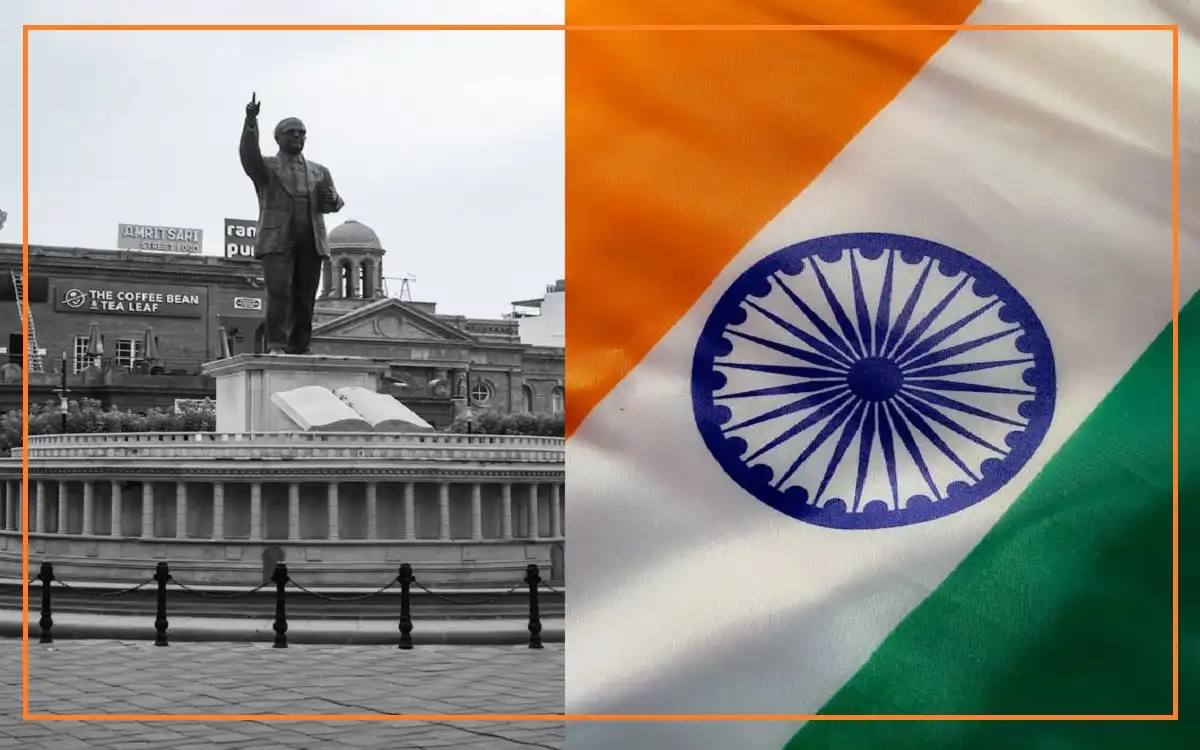
Republic Day 26 Jan 1950 day, celebrated on January 26 each year, marks a pivotal moment in India’s history. This day commemorates the adoption of the Indian Constitution in 1950, transitioning India from a dominion under British rule to a sovereign republic. The Bharat Information shares the historical significance of Republic Day 26 Jan 1950 day, basic events that shaped its inception, the evolution of celebrations, and the impact it has had on India’s governance.
Introduction
January 26 holds a dual significance in Indian history. Not only did it mark the adoption of the Constitution in 1950, but it also commemorates the declaration of “Purna Swaraj” (complete independence) by the Indian National Congress in 1930.
We share the historical milestones, highlighting the basic figures involved in drafting the Constitution, the evolution of Republic Day 26 Jan 1950 day celebrations, and the broader implications for India’s governance.
Historical Significance

Transition to a Republic
On January 26, 1950, India officially became a Sovereign Democratic Republic. The Government of India Act of 1935 was replaced by the new Constitution, marking a significant step in India’s journey post-independence from British rule on August 15, 1947. This transition was not merely symbolic; it represented a complete break from colonial governance and established a framework for democratic principles.
Significance of January 26
The choice of January 26 is deeply rooted in history. It was on this day in 1930 that the Indian National Congress declared “Purna Swaraj,” urging Indians to celebrate their quest for complete independence from British rule. Thus, January 26 serves as a reminder of India’s long struggle for freedom and its commitment to self-governance.
Basic Events on January 26, 1950
- Adoption of the Constitution: The Constitution came into effect, establishing India as a sovereign state with its own legal framework.
- Inauguration of Dr. Rajendra Prasad: He was sworn in as India’s first President, symbolizing the end of colonial rule.
- First Republic Day 26 Jan 1950 day Parade: A grand military parade took place in New Delhi, showcasing India’s defense capabilities and cultural heritage.
Impact on Governance
The transition from dominion status to a republic had profound implications for India’s governance:
End of Colonial Influence
- Sovereign State: India emerged as a fully sovereign state with its own legal framework.
- Independent Head of State: The establishment of an Indian head of state marked a complete break from colonial governance.
Constitutional Framework
- New Constitution: The Constitution enshrined fundamental rights and established a parliamentary system.
- Federal Structure: A federal system was created that balanced central authority with state autonomy.
Political Integration
- Integration of Princely States: The transition facilitated the integration of over 500 princely states into the Indian Union.
- Legislative Authority: Indian legislators gained the power to repeal or amend colonial laws.
Democratic Governance

The establishment of a republic marked the beginning of democratic governance in India, enhancing accountability and representation.
Basic Figures in Drafting India’s Constitution
The drafting process involved several notable figures:
- Dr. B.R. Ambedkar: Chairman of the Drafting Committee and often referred to as the “Father of the Constitution.”
- S.N. Mukherjee: Chief Draftsman who translated complex proposals into legal language.
- Other Members: Included N. Gopalaswami Ayyangar, Alladi Krishnaswamy Ayyar, and K.M. Munshi among others.
- B.N. Rau: Constitutional Advisor who prepared the initial draft.
- Jawaharlal Nehru and Vallabhbhai Patel: Influential leaders guiding discussions within the Constituent Assembly.
These contributors played vital roles in shaping a comprehensive legal framework for India’s democracy.
Significance of January 26, 1930

January 26, 1930 is significant as it marks:
- Declaration of Purna Swaraj: A shift from seeking dominion status to outright independence.
- Public Celebrations: Citizens celebrated by hoisting flags and affirming their commitment to independence.
- Foundation for Future Struggles: This declaration laid groundwork for intensified resistance against British rule.
Evolution of Republic Day 26 Jan 1950 day Celebrations

The Republic Day 26 Jan 1950 day Parade has evolved significantly since its inception:
| Year Range | Basic Features |
| Early Years (1950-1960s) | Focused on military capabilities; first parade held at Irwin Amphitheater; included traditional regiments and animals like elephants. |
| 1970s to 1990s | Modernization with emphasis on advanced military technology; international participation began in late 1980s. |
| Recent Developments (2000s-Present) | Incorporation of technological displays; cultural representation through tableaux; venue renamed from Rajpath to Kartavya Path in 2022. |
Notable Features Today
- Wreath Laying Ceremony: The Prime Minister honors fallen soldiers before the parade begins.
- Women Empowerment: Recent parades have included all-women contingents to highlight gender equality.
Finally
Republic Day 26 Jan 1950 day is not just a celebration; it is a reflection of India’s journey towards democracy and sovereignty. From its historical roots in the struggle for independence to its modern-day celebrations showcasing military might and cultural diversity, January 26 serves as a reminder of India’s aspirations and achievements as a nation.

As we commemorate this day each year, we honor those who fought for our freedom and continue to build upon their legacy through democratic governance and social justice
For More University Education Update Visit Bharat Information