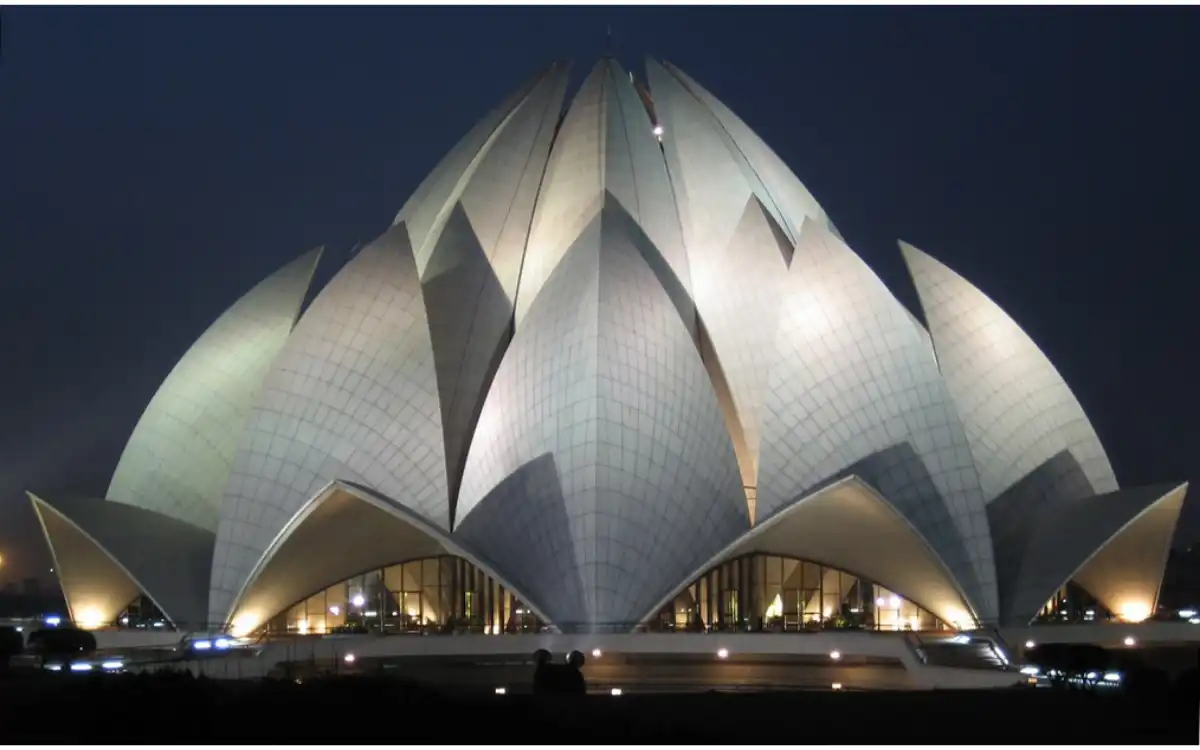
The Lotus Temple stands as one of India’s most striking landmarks, located in the heart of New Delhi. With its breathtaking architecture and spiritual openness, it has become a must-visit for travelers from around the globe. This temple, shaped like a blooming lotus flower, symbolizes unity, peace, and purity—values that resonate beyond religious boundaries. In this article, we explore seven fascinating facts about the Lotus Temple that will deepen your appreciation for this architectural and cultural icon.
What Makes the Lotus Temple a Unique Architectural Marvel
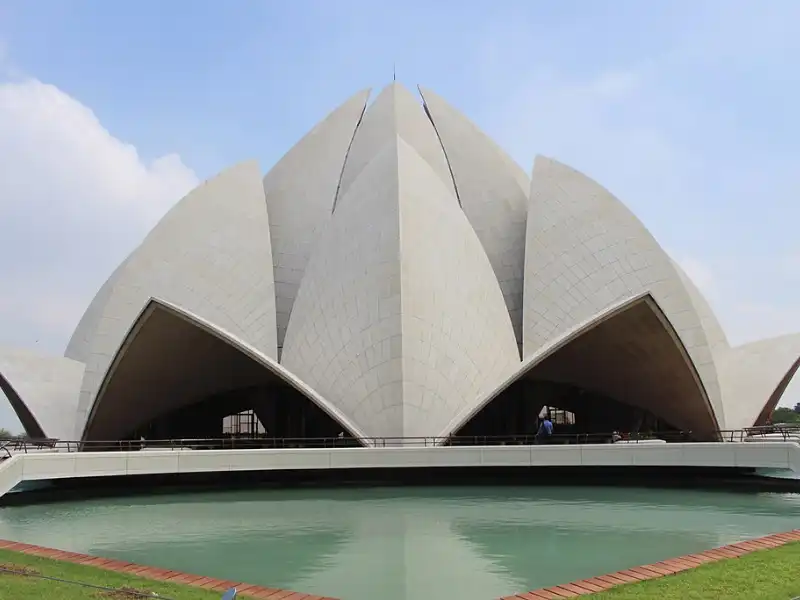
The Lotus Temple is not just another religious building—it’s a masterpiece of modern architecture. Designed by Iranian architect Fariborz Sahba in 1986, it draws inspiration from the lotus flower, which is deeply rooted in Indian culture. The structure features 27 marble-clad “petals” arranged in clusters of three to form nine sides, creating a symmetrical and visually harmonious shape that mimics a lotus in full bloom.
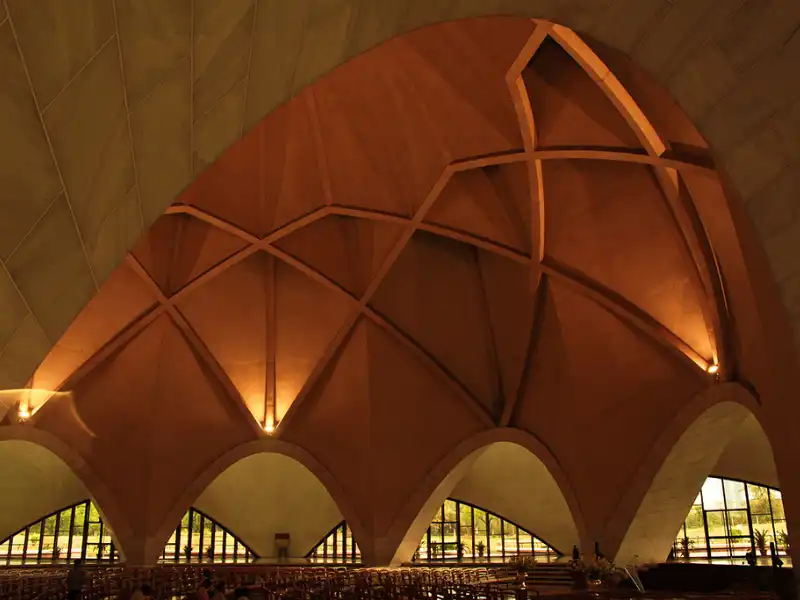
The temple is constructed from white Greek marble sourced from the Penteli mountain, the same material used for several ancient monuments. These marble panels gleam under sunlight, giving the temple a radiant, almost ethereal look. Remarkably, no traditional idol or altar resides inside. The interior hall, which can seat over 2,000 people, is left open and serene, promoting a sense of quiet reflection and unity.
Lotus Temple’s Symbolism and Spiritual Significance
The lotus flower is a symbol of purity, beauty, and enlightenment in Indian traditions. Its ability to rise above muddy waters while remaining unsoiled is revered in Hinduism, Buddhism, and Jainism. The temple’s lotus shape reflects the universal spiritual message of rising above worldly attachments to seek inner peace.
The Lotus Temple is a Baháʼí House of Worship, welcoming people of all religions and beliefs. The Baháʼí Faith emphasizes the unity of all religions and the oneness of humanity. There are no rituals, sermons, or religious icons within the temple—just an invitation to sit, meditate, or pray silently in any form you prefer. This openness is what makes the temple a spiritual destination for everyone, regardless of their faith.
Visiting the Lotus Temple – A Calming Experience
The moment you enter the temple grounds, a sense of calm washes over you. Surrounded by lush gardens, reflective pools, and peaceful walkways, the approach to the main temple prepares visitors for a tranquil experience. The architecture subtly guides your gaze upward, instilling a quiet sense of awe before you even step inside.
Inside, silence reigns. The absence of religious symbols or music helps visitors connect with themselves. Photography and talking are not allowed inside, ensuring that everyone can focus on personal reflection. People from all walks of life sit together, immersed in a shared stillness. It’s an experience that goes beyond religion—it touches the soul.

Lotus Temple’s Global Recognition and Awards
The Lotus Temple is not just an Indian marvel; it is recognized internationally for both its design and inclusive philosophy. Since its opening, it has won numerous architectural awards and has been featured in global magazines such as Architectural Digest and Time.
In fact, it is one of the most visited buildings in the world, receiving over 100 million visitors to date. Its awe-inspiring design has been showcased in documentaries and architectural exhibitions, and it often ranks alongside the Taj Mahal when it comes to iconic Indian structures recognized abroad.
Essential Tips for Your Lotus Temple Visit
If you plan to visit the Lotus Temple, here are a few tips to enhance your experience:
- Entry is free and the temple is open from 9:00 AM to 5:00 PM in winter, and 9:00 AM to 7:00 PM in summer (closed on Mondays).
- While entry is free, you might encounter queues, especially on weekends and holidays, so arriving early is recommended.
- Photography is allowed only outside the temple, not inside.
- Wear modest and comfortable clothing, and be respectful of the quiet atmosphere inside.

lotus temple
The surrounding Baháʼí Information Centre also offers exhibitions and short films about the faith and the temple’s creation.
Why the Lotus Temple Inspires Millions Worldwide
More than a beautiful building, the Lotus Temple serves as a symbol of unity in diversity. Its design has inspired architects across the world, and its message of universal peace resonates with people from all cultural and spiritual backgrounds. Schools often include it in architecture and moral education studies, making it an enduring part of India’s modern identity.
It’s not uncommon to hear stories of tourists who came out of curiosity but left with a deep sense of inner peace and perspective. The temple’s universal appeal and non-denominational approach make it a true modern wonder.
Final Thoughts on the Lotus Temple’s Enduring Legacy
The Lotus Temple is much more than a tourist destination—it’s a living example of how beauty, peace, and spiritual unity can be brought to life through architecture. Whether you’re a local or a traveler, religious or secular, this serene sanctuary invites you to pause, reflect, and embrace the calm that lies within. In a world divided by beliefs, the Lotus Temple stands as a gentle reminder that oneness is not a dream—it’s a possibility.
For more information, visit Bharat Information
images sourced Wikipidia