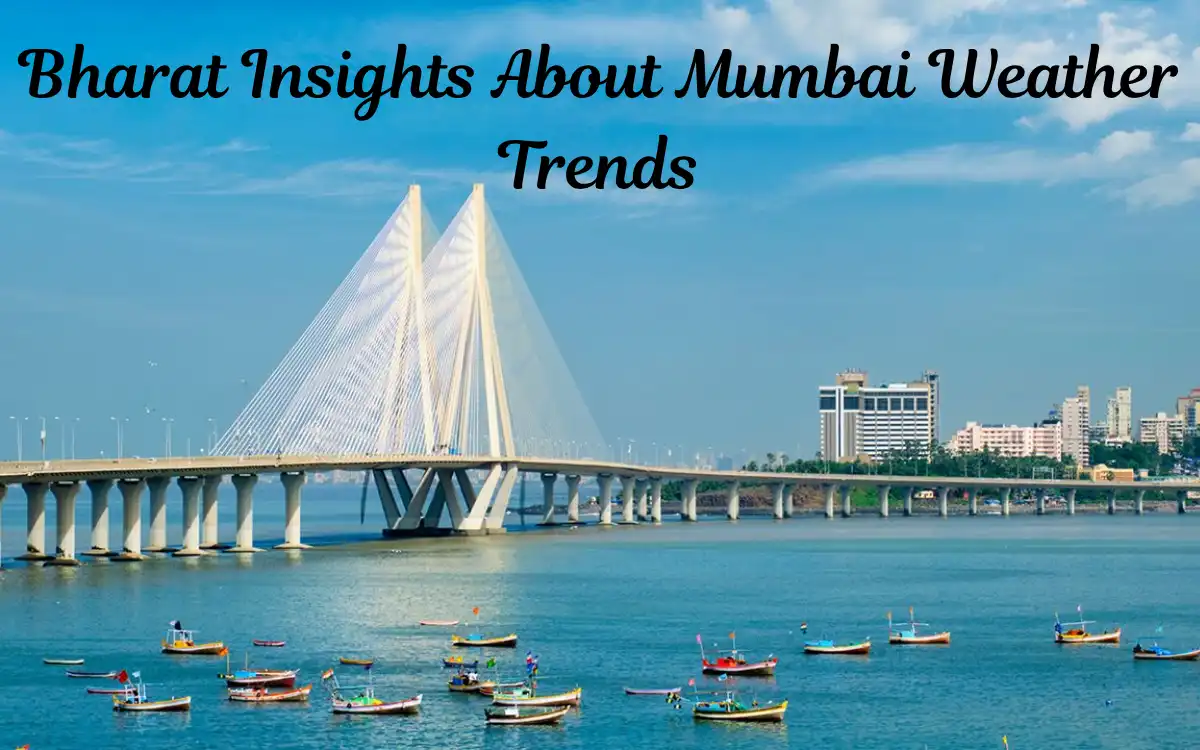
Mumbai, the financial heart of Bharat, has always stood resilient amid storms—both literal and metaphorical. One defining feature that affects every Mumbaikar’s day is the city’s weather. From summer’s sweltering heat to the monsoon’s epic floods, Mumbai weather isn’t just a backdrop — it’s a central character in daily life. This article dives deep into the city’s climate rhythms and how they impact the broader context of Bharat.
Mumbai Weather Patterns Across the Year
Mumbai weather operates under a tropical climate, characterized by three dominant seasons: summer, monsoon, and winter. Each season brings its own challenges and moods.
Summer Heat in Mumbai Weather
Summer in Mumbai typically begins in March and intensifies through May. With temperatures often soaring above 35°C (95°F), humidity levels make the heat more oppressive. While the Arabian Sea offers occasional breeze, the urban sprawl traps heat, turning the city into a concrete oven.
Locals seek shade, hydration, and sometimes escape to hill stations nearby. Air conditioners run around the clock, and schools often shift schedules to avoid peak heat. This seasonal discomfort also exacerbates health issues like dehydration, sunstroke, and heat rashes.

Monsoon Deluge and Mumbai Weather Challenges
The monsoon season, lasting from June to September, is both a blessing and a curse. While it replenishes water reservoirs and cools down the city, it also causes severe flooding, traffic chaos, and train delays.
Mumbai weather during monsoon becomes unpredictable. Sudden downpours can paralyze the city for hours. The infamous July 2005 floods are still a stark reminder of the city’s vulnerability. Despite improved drainage systems, extreme rainfall continues to test the city’s preparedness.

Winter and the Mild Chill in Mumbai Weather
Winter in Mumbai, stretching from December to February, is more of a gentle breeze than a frosty spell. Temperatures range between 18°C to 28°C, making it one of the most pleasant periods for locals and tourists alike.
Mumbai weather in winter feels like spring in other parts of Bharat. Open-air events flourish, beaches are bustling, and the mood across the city becomes lighter. It’s the ideal time for festivals, weddings, and exploration.

Mumbai Weather’s Role in Bharat’s Climate Identity
Mumbai, being a coastal metropolis, plays a key role in Bharat’s overall climate balance. Its location along the Arabian Sea allows it to influence and absorb certain climate variations that impact the rest of western Bharat.
Urban development, however, has changed Mumbai weather dynamics over the past two decades. The increasing number of high-rises and shrinking green zones have contributed to the urban heat island effect. This not only raises average temperatures but disrupts natural cooling processes.
Furthermore, Mumbai’s weather data is often used as a benchmark for studying the impact of coastal weather in Bharat. Its patterns provide key insights for monsoon prediction models used across the nation.
Impact of Mumbai Weather on Daily Life and Economy
How Mumbai Weather Affects Transportation
Public transport in Mumbai—from the lifeline local trains to BEST buses—is highly susceptible to weather conditions. Heavy rains during monsoon often submerge tracks and roads, leading to delays and cancellations that affect millions.
Rickshaw and taxi drivers navigate flooded streets, while officegoers often rely on rain forecasts to plan commutes. Mumbai weather, in this way, dictates the rhythm of the city’s business hours.
Festival Planning Around Mumbai Weather
Cultural events in Mumbai are carefully timed around weather patterns. Ganesh Chaturthi, one of the city’s biggest festivals, is planned just after the monsoon to avoid disruptions.
Film shoots, concerts, marathons, and open-air exhibitions all depend on accurate forecasting of Mumbai weather. Weather-friendly windows are highly valued in event calendars and booking schedules.

Climate Change and Evolving Mumbai Weather Trends
Over the past decade, climate change has reshaped Mumbai weather. Summers are hotter, monsoons are more erratic, and sea levels continue to rise—posing a threat to coastal areas like Marine Drive and Versova.
Unseasonal rains, longer heatwaves, and a noticeable shift in monsoon onset are part of new weather patterns. According to IMD data, the average rainfall intensity has increased, but the number of rainy days has decreased—indicating heavier but less frequent downpours.
Environmentalists warn that if mitigation steps aren’t taken soon, Mumbai could face climate emergencies more often. Policies around drainage, waste management, and sustainable housing must be urgently implemented to future-proof the city.
How Citizens of Bharat Adapt to Mumbai Weather
Mumbaikars have adapted over the years with resourcefulness and grit. From using rain gear as a fashion statement to building informal drainage channels in low-lying neighborhoods, the people of Mumbai innovate to cope with extremes.
Homes are designed with ventilation in mind. Offices install high-efficiency cooling systems. Even street vendors use plastic sheeting and tarps creatively during monsoon. Mumbai-weather may be relentless, but so is the spirit of its people.
Lifestyle changes include shifting workout hours to early mornings, increasing water intake during summers, and using natural materials like khadi and cotton for clothing. Across Bharat, citizens often cite Mumbai as an example of how to live in sync with challenging climates.
Final Thoughts on Mumbai-Weather and Bharat’s Future
Mumbai-weather is more than a forecast—it’s a phenomenon that touches millions of lives, shapes culture, and drives adaptation in urban India. As climate change intensifies, understanding and responding to these weather trends becomes critical not just for Mumbai, but for Bharat as a whole.
Educating citizens, upgrading infrastructure, and fostering green spaces are the need of the hour. If Mumbai can lead the way in resilience and climate-smart planning, it will set an inspiring example for every city in Bharat.
For more information, visit Bharat Information