DTF Printing Process
When researching custom garment printing, you have probably come across DTF printing. This new age method has transformed the textile design sector by enabling the transfer of high-quality, long-lasting prints on a range of different fabrics. Being an entrepreneur of a small business or a creative hobbyist, it is essential to know how the step-by-step DTF (Direct-to-Film) process works. To learn more about technical aspects like optimal temperature settings, it helps to start with a solid foundation of the workflow itself. So, let us take a closer look at the step-by-step description of the DTF printing process: from design preparation to the final transfer.
Step 1: Create your Artwork:
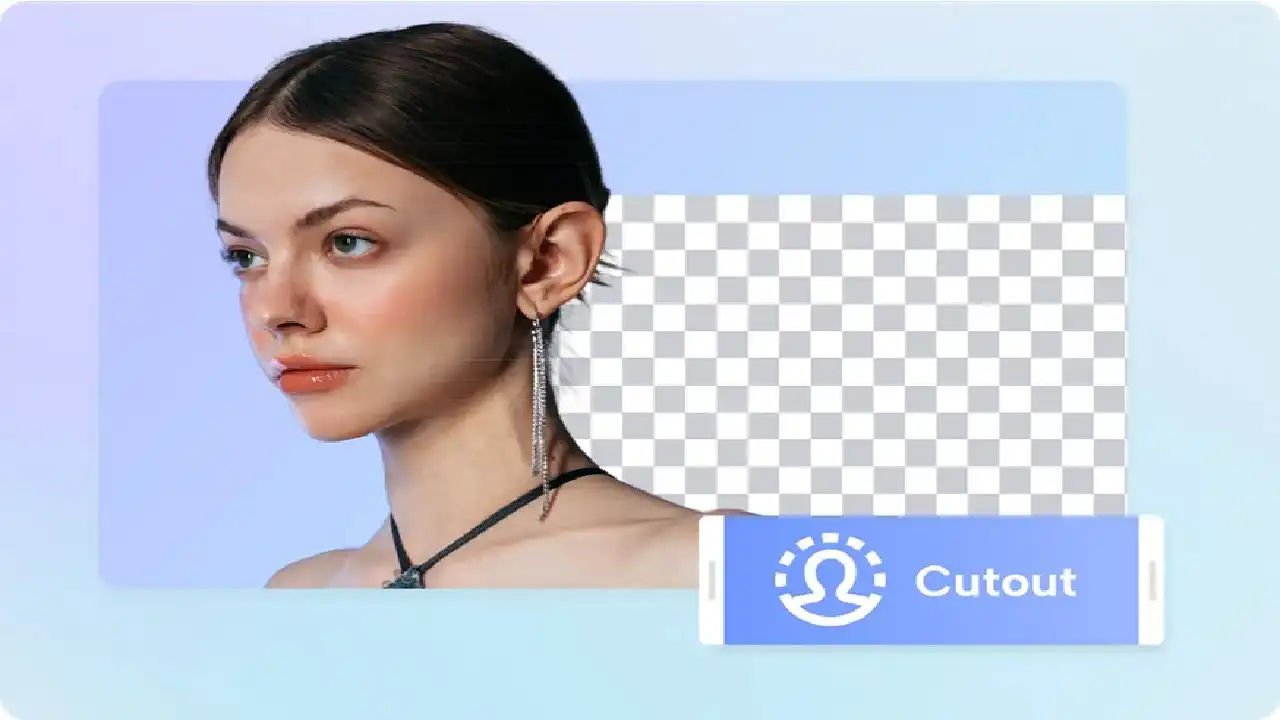
Your starting point is developing the digital artwork that you want to print. This is not purely a graphic design step; it is preparing your image so that you will end up with good-quality transfers.
- Make sure to use high-resolution pictures (at least 300 DPI) so that they look clear.
- Clear backgrounds are best when a transfer is exact.
- PNG and TIFF are compatible with most DTF software.
When the design is prepared, it is mirrored (flipped horizontally) so that it will be right when it is placed on fabric. This mirrored design is then printed onto a special film using a DTF transfer process, which allows it to be later transferred onto various textiles.
Step 2: Printing the Design to DTF Film:
When you have a design ready, it is time to print. The mirrored image is printed on PET film using a specialized DTF printer.
- The initial printed layer is usually white ink, which serves as a foundation.
- The colored inks are then put over this white layer in CMYK (Cyan, Magenta, Yellow, and Black).
DTF LINKO other printers have a reputation for high precision and the ability to work with a variety of film and ink types. They use technology that guarantees rich color production and even inkblot layers, a fact that has made them a reliable brand in the market.
Step 3: Hot Melt Adhesive Powder:
Once the design has been printed onto the film, it is now time to apply a special hot melt adhesive powder.
- This is a powder that is sprinkled uniformly on the wet ink when still on the film.
- It is your responsibility to have complete coverage of the area printed.
- Any extra powder is shaken off or recovered to be used again.
The powder sticks to the part of the film that is inked. This is an important step since the powder is the glue that holds the design to the fabric during the heat transfer.
Step 4: Melting the Adhesive Powder
The powder has now been applied, and it needs to be melted to make it adhesive. This is usually performed through a curing oven or a heat press machine (no pressure).
- The film should be heated depending on the equipment at about 160 0 C (320 0 F) within 2 to 3 minutes.
- Ensure that the film is not warped.
At this phase, adhesive powder fuses into a tacky coating over the ink. This is all a matter of timing and temperature, as not enough heat will not activate the adhesive correctly, and excessive heat may damage it.
Step 5: Heat Pressing the Design to Fabric:
The adhesive is now melted, and the film can be used to apply to your garment/fabric of choice.
- To take out the dampness and wrinkles, press your cloth for 510 seconds before.
- Put the film (design side down) on the fabric.
- Using a heat press, press it at 160-170 °C (320-338°F) in 15-20 seconds.
Under this phase, the ink is fixed on the cloth by the adhesive, consequently producing a vivid, durable print. Timing and temperature are once more factors; a balanced setting will further guarantee the optimum outcome.
Step 6: De-filming:
Once pressed, leave the fabric and film to cool a little. DTF transfers are commonly referred to as being cold peel, meaning you must allow the film to cool before attempting to peel it off.
- Gently remove the PET film in a straight movement.
- You will unveil a nice colorful print that is seamlessly attached to the cloth.
Any lifting or incomplete transfer is normally a sign of trouble with heat, pressure, or application of adhesive, and this can be corrected by referring to the previous steps.
Step 7: Optional Finishing Press:
To add additional strength and create a softer touch, many printers apply a second finishing press.
- Wrap the design in a Teflon or parchment paper.
- Re-press at the same heat settings for 510 seconds.
- This additional process fixes the colors and makes the garment more washable.
Advantages of DTF Printing Process:
And since we talked about the specific process in detail, now it is worth mentioning why DTF has doubled as a game-changer in the garment printing industry:
- Versatility: Can be used on cotton, polyester, blends, and even leather.
- No pretreatment required: As opposed to DTG (Direct-to-Garment) printing.
- crack-free and fade-free results of high quality and durability.
- Economical on small runs: Suitable for start-ups and custom houses.
The mistakes to avoid:
Although the process of DTF is not complicated, newcomers usually commit some mistakes that can be avoided:
- Omitting temperature calibration – not every fabric behaves similarly.
- Overloading adhesive powder will result in smudging or incomplete transfers.
- premature peeling – can spoil your design when it has not set.
- Be attentive to details, particularly heat pressing and curing steps, to receive the same results.
Final Thoughts:
The DTF printing is not a temporary fad, but a convenient scaling option that anyone in the custom clothing industry can utilize. Print t-shirts, hoodies, tote bags, sportswear; this technique is the most flexible and gives a bright outcome. After getting to know all the steps of the process, namely artwork creation and heat pressing, you put yourself in a position to succeed. And when you invest in good equipment such as that offered by DTF LINKO, you will be ahead of the pack in both aspects of quality and efficiency.