According to Statista, there were 380.7 violent crimes per 100,000 people reported to law enforcement in the U.S. in a recent year.
Imagine being able to instantly know what’s happening in your neighborhood, from suspicious activity to safety alerts, right from your phone. Neighborhood crime apps are turning this vision into reality, transforming how communities stay alert, connected, and empowered against local threats.
Beyond simple notifications, these apps enable residents to report incidents, collaborate with law enforcement, and create safer, more vigilant neighborhoods. With urban areas expanding rapidly, the need for such platforms is higher than ever.
If you want to build a neighborhood crime app on a budget, understanding the essential features is key to creating a solution that’s both practical and widely adopted.
Real-Time Crime Alerts
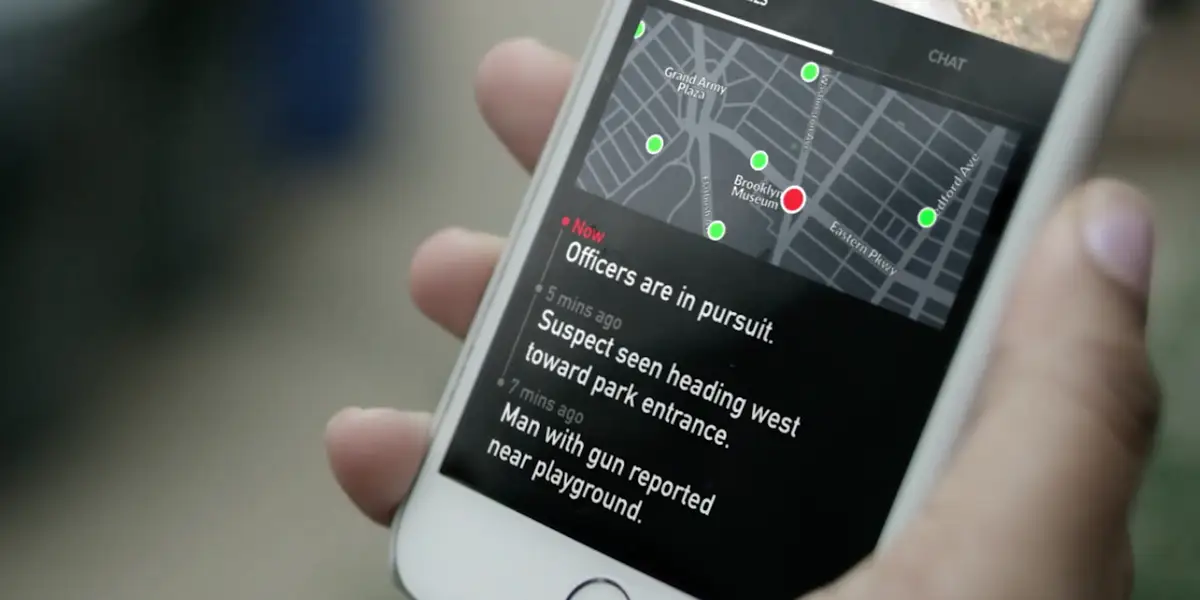
The backbone of any neighborhood crime app is real-time notifications. Users expect instant updates about suspicious activities, thefts, or other emergencies in their vicinity. Integrating geolocation services and push notification systems ensures users receive relevant alerts instantly.
From a technical perspective, implementing Firebase Cloud Messaging (FCM) or Apple Push Notification Service (APNS) can help maintain timely updates without inflating development costs.
Community Reporting and User-Generated Content
One of the most impactful features of modern neighborhood crime apps is the ability for residents to report incidents directly through the app. User-generated content, such as photos, videos, or textual descriptions, increases situational awareness.
Leveraging cloud storage solutions like AWS S3 or Google Cloud Storage allows developers to manage multimedia content efficiently, keeping backend costs low while ensuring scalability. This feature not only enhances community engagement but also supplements official reports with valuable data.
Interactive Crime Maps
Visual representation of crime incidents through interactive maps provides users with a clear understanding of patterns and hotspots. Utilizing APIs like Google Maps or Mapbox, developers can plot incidents, filter by type, and even include predictive analytics to forecast potential risk zones. Interactive crime maps not only boost app usability but also establish credibility as a reliable source for neighborhood safety intelligence.
In-App Communication Channels
Facilitating secure communication among users is essential. In-app chat rooms, discussion forums, or private messaging features allow residents to coordinate, share tips, or alert neighbors efficiently.
Encryption protocols and secure authentication ensure that user data remains protected, a crucial aspect in mobile application development where privacy is paramount. Incorporating these channels encourages active engagement and builds a stronger community network.
Data from the Council on Criminal Justice shows that in a set of 42 U.S. cities, homicide rates fell 16% year-over-year in a recent report.
Integration with Local Law Enforcement
Collaboration with law enforcement agencies significantly enhances the effectiveness of neighborhood crime apps. Features such as direct reporting to police, incident escalation, or official crime statistics integration add credibility and trust.
Technically, RESTful APIs and secure endpoints can facilitate seamless communication between the app and law enforcement databases, allowing timely intervention while keeping development overhead manageable.
Safety Tips and Preventive Alerts
Beyond reporting incidents, neighborhood crime apps should provide educational content like safety tips, emergency contact lists, and preventive measures. Push notifications with safety reminders during high-risk hours can reduce vulnerability.
Integrating AI-powered recommendation engines can personalize content based on user behavior, offering a smarter, more proactive app experience without significantly raising costs.
Analytics Dashboard
Finally, a robust analytics dashboard is indispensable for administrators to monitor trends, evaluate community engagement, and improve app performance. Visual metrics such as incident frequency, user activity, and reporting accuracy help in refining the platform.
Tools like Google Analytics for Firebase or Mixpanel provide affordable insights, which are especially beneficial for developers leveraging fintech software development services or mobile application development expertise to optimize resource allocation and user satisfaction.
How to Build a Neighborhood Crime App on a Budget
Building a fully functional neighborhood crime app does not require an enormous budget. Here are some strategic tips:
- Use Cross-Platform Frameworks: Platforms like Flutter or React Native allow you to develop for both iOS and Android simultaneously, reducing development time and cost.
- Leverage Open-Source Libraries: Utilize pre-built components for maps, notifications, and analytics to avoid reinventing the wheel.
- Adopt Cloud Services: Cloud-based storage and push notification services cut down on infrastructure costs while providing scalability.
- Prioritize MVP Features: Start with core functionalities like real-time alerts, reporting, and maps. Additional features can be added iteratively based on user feedback.
By focusing on these approaches, you can deliver a powerful, feature-rich neighborhood crime app while staying within budget constraints.
“Technology should empower people, protect their privacy, and help them make better decisions in everyday life.” – Tim Cook, CEO, Apple
Wrapping It Up!
In conclusion, neighborhood crime apps are vital tools for fostering safer, more connected communities. Incorporating real-time alerts, community reporting, interactive maps, secure communication, law enforcement integration, safety tips, and analytics ensures a comprehensive solution that engages users effectively.
By strategically utilizing cross-platform frameworks, cloud services, and open-source components, it is entirely feasible to build an efficient, high-performing app on a budget. For developers and businesses exploring this space, the combination of smart feature selection and cost-conscious development can make your neighborhood crime app both practical and impactful.