

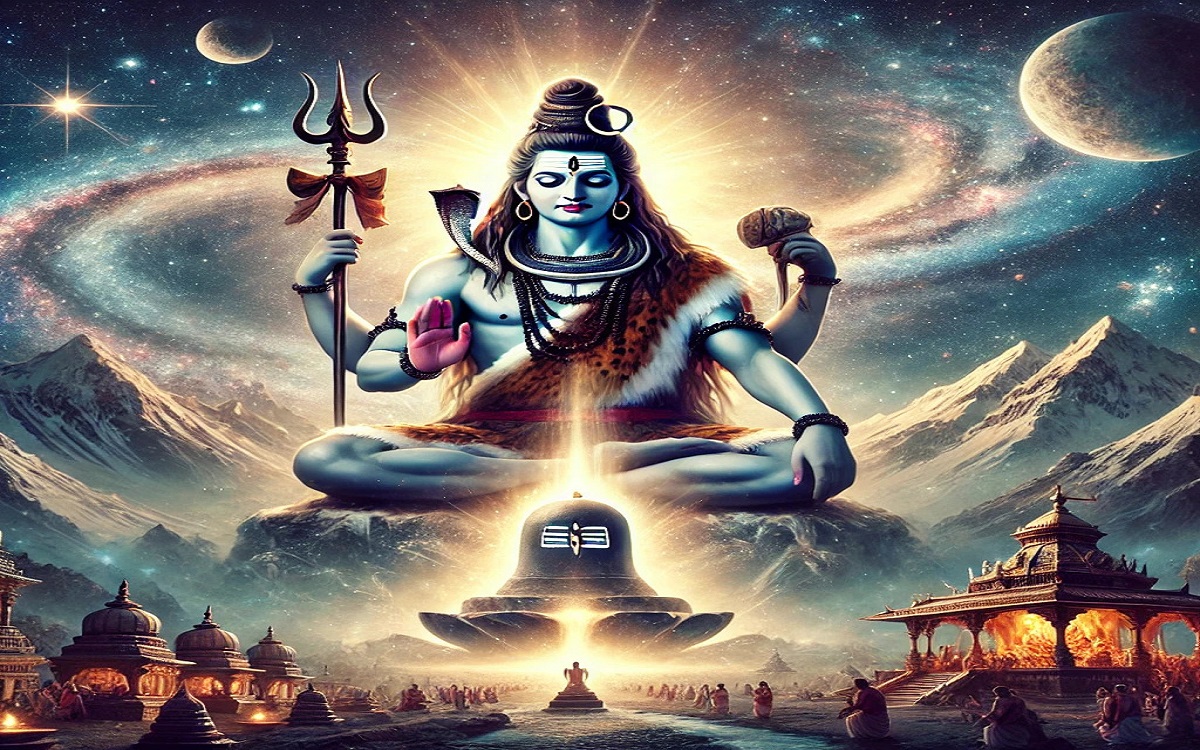
Maha Shivratri, known as “The Great Night of Shiva,” is one of the most sacred and significant Hindu festivals, dedicated to Lord Shiva—the deity of destruction and transformation. Celebrated on the 14th night of the lunar month of Phalguna, this auspicious occasion is deeply rooted in spiritual, mythological, and philosophical traditions.
Unlike other festivals that emphasize grand feasts and celebrations, Maha Shivratri is observed with fasting, meditation, and night-long vigils, symbolizing devotion, self-discipline, and inner awakening. Devotees believe that sincere worship on this night grants divine blessings, spiritual enlightenment, and liberation from past sins.
The festival serves as a reminder of the eternal cosmic cycle of creation and destruction, guiding devotees toward self-reflection and transformation. But what makes Maha Shivratri so revered by millions worldwide? In this article, we delve into seven powerful reasons why Maha Shivratri is celebrated with such profound devotion and significance.

Table of Contents
The Seven Reasons – Why We Celebrate Maha Shivratri ?
1. The Divine Union of Shiva and Parvati
One of the most revered aspects of Maha Shivratri is the divine marriage of Lord Shiva and Goddess Parvati, symbolizing the union of masculine and feminine energies that maintain universal balance. According to Hindu mythology, Goddess Parvati’s unwavering devotion and years of penance moved Lord Shiva, leading to their celestial union. This sacred wedding is celebrated by devotees as a testament to love, commitment, and perseverance, reinforcing the belief that sincere devotion yields divine blessings.
Married couples seek Shiva’s blessings for a harmonious and fulfilling relationship, while unmarried individuals pray for an ideal life partner. The festival serves as a reminder of the power of faith, patience, and dedication in overcoming obstacles. Maha Shivratri is not just a celebration of this divine marriage but also a spiritual occasion that inspires devotees to embrace inner transformation and devotion.

2. The Night of Spiritual Awakening
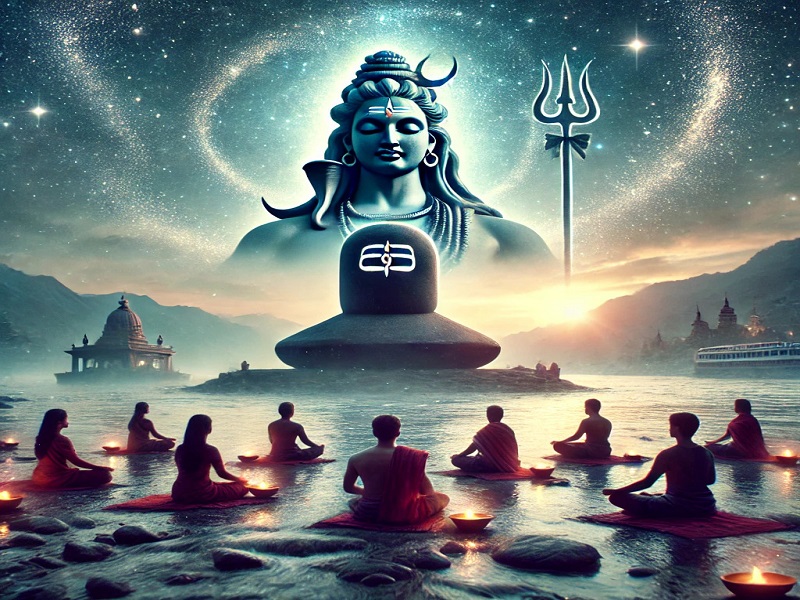
Maha Shivratri, often called the “Night of Awakening,” is a profound occasion for spiritual enlightenment and self-realization. It is believed that on this sacred night, cosmic energies are at their peak, creating an ideal atmosphere for meditation and worship. Devotees observe Jaagran—staying awake throughout the night—engaging in prayers, chanting Om Namah Shivaya, and meditating on Lord Shiva.
This practice symbolizes the triumph of wisdom over ignorance and the journey toward higher consciousness. The festival serves as a reminder to break free from worldly illusions and embrace inner transformation. Many believe that sincere devotion on this night accelerates spiritual progress, bringing clarity, peace, and divine blessings. Maha Shivratri is not just a religious observance but a powerful opportunity for self-reflection, making it one of the most spiritually significant nights in Hindu tradition.
3. The Day Shiva Saved the Universe
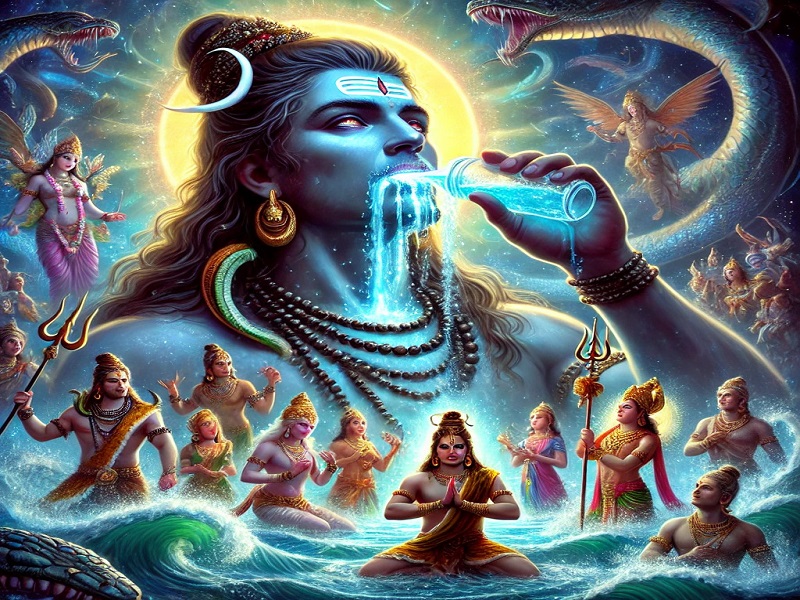
Maha Shivratri is deeply connected to the legendary event of Samudra Manthan, the cosmic churning of the ocean. According to Hindu scriptures, this celestial process released Halahala, a deadly poison capable of destroying all existence. To protect the universe, Lord Shiva selflessly consumed the poison, holding it in his throat, which turned blue, earning him the revered title Neelkanth (the Blue-Throated One).
This act of immense sacrifice highlights Shiva’s role as the ultimate protector, embodying courage, selflessness, and the willingness to endure suffering for the greater good. Maha Shivratri serves as a reminder of these virtues, inspiring devotees to embrace resilience, compassion, and righteousness in their lives. Observing this sacred night symbolizes the destruction of negativity and the triumph of wisdom, reinforcing Shiva’s presence as the eternal guardian of balance and harmony in the universe.
4. The Importance of Fasting and Devotion
Fasting is a vital aspect of Maha Shivratri, observed with deep devotion and spiritual intent. Devotees undertake this fast to purify the body and mind, fostering self-discipline and detachment from material desires. While some observe a strict Nirjala (waterless) fast, others consume only fruits, milk, and water. This sacred practice is believed to enhance spiritual consciousness and deepen one’s connection with Lord Shiva.
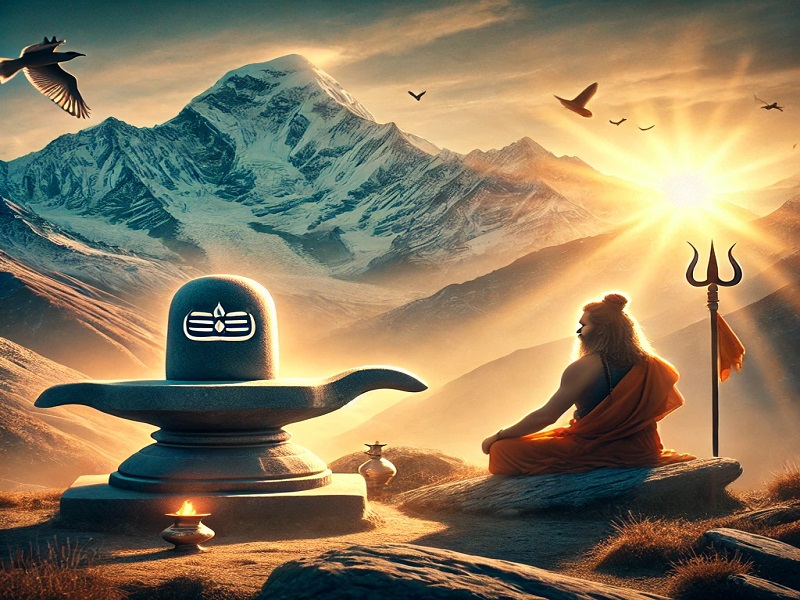
A significant ritual performed on this night is Rudrabhishek, where the Shiva Linga is bathed with milk, honey, ghee, and holy water while devotees chant Om Namah Shivaya. This continuous chanting and worship create a spiritually charged atmosphere, invoking divine blessings for health, prosperity, and inner peace. Maha Shivratri fasting is more than just an act of devotion; it is a journey of self-purification, mindfulness, and surrender, allowing worshippers to transcend worldly distractions and embrace divine energy.

5. The Cosmic Dance of Shiva
Maha Shivratri is closely associated with Lord Shiva’s divine dance, the Tandava, which symbolizes the eternal cycle of creation, preservation, and destruction. This celestial dance represents the cosmic balance, reminding devotees that change is inevitable and that destruction is necessary for renewal and transformation. According to Hindu belief, Shiva performs the Tandava on this sacred night, radiating cosmic energy that governs the universe.
Worshiping Shiva on Maha Shivratri is believed to align devotees with these cosmic rhythms, bringing peace, balance, and enlightenment into their lives. Many celebrate this aspect of Shiva through devotional singing, bhajans, and spiritual discourses that honor his divine play. The Tandava also signifies the destruction of ignorance, making way for wisdom and self-realization. Observing Maha Shivratri with devotion allows worshippers to embrace transformation, surrender to divine will, and experience spiritual awakening.

6. The Connection with Moksha and Karma
Maha Shivratri is considered a sacred night for seeking Moksha (liberation) and purifying one’s karma. It is believed that sincere prayers and devotion on this auspicious occasion can cleanse past sins and free the soul from the cycle of birth and death. Worshiping Lord Shiva on this night represents detachment from materialistic desires, guiding devotees toward self-realization and spiritual elevation.
Through night-long meditation, chanting, and rituals, worshippers seek divine grace, forgiveness, and purification of their karmic debts. Shiva, as the supreme ascetic, embodies the path to liberation, inspiring devotees to lead a righteous life and transcend worldly illusions. Maha Shivratri serves as a powerful reminder that spiritual enlightenment is attainable through devotion, discipline, and surrender. Observing this sacred night with faith and dedication is believed to bring divine blessings and ultimately lead the soul toward salvation.

7. The Festival’s Impact on Devotees
Maha Shivratri is celebrated with deep devotion across India and around the world, drawing millions of devotees to Lord Shiva’s temples. Prominent shrines such as Kashi Vishwanath in Varanasi, Mahakaleshwar in Ujjain, and Kedarnath in Uttarakhand become spiritual hubs, filled with prayers, rituals, and divine chants. Worshippers engage in abhishekam, offer bilva leaves, and chant Om Namah Shivaya to seek Shiva’s blessings.
Despite its solemn nature, Maha Shivratri unites people in shared faith, fostering a spirit of devotion and cultural harmony. Large processions, religious gatherings, and all-night vigils add to the festival’s vibrancy. Whether through temple visits, home prayers, or meditation, devotees immerse themselves in spiritual practices, creating an atmosphere of divine energy and upliftment. Maha Shivratri serves as a powerful reminder of Lord Shiva’s presence, inspiring millions to embrace inner transformation and lead a life of righteousness and devotion.

Conclusion
Maha Shivratri is more than just a festival—it is a profound spiritual journey that embodies devotion, transformation, and enlightenment. Rooted in deep mythological and philosophical significance, it serves as a reminder of Lord Shiva’s divine power, compassion, and the eternal cycle of creation and destruction. Through fasting, meditation, and chanting, devotees purify their minds and souls, seeking spiritual awakening and inner peace.
This sacred night encourages self-reflection, guiding individuals toward a life of righteousness, discipline, and detachment from material desires. As millions unite in prayers and chants of Om Namah Shivaya, they invoke Shiva’s infinite wisdom and grace, aligning themselves with cosmic energy. Maha Shivratri continues to inspire generations, offering a path to self-realization and ultimate liberation. May this auspicious occasion bring divine blessings, peace, and spiritual growth to all who seek the presence of the Supreme Lord Shiva.
For more information, visit Bharat Information