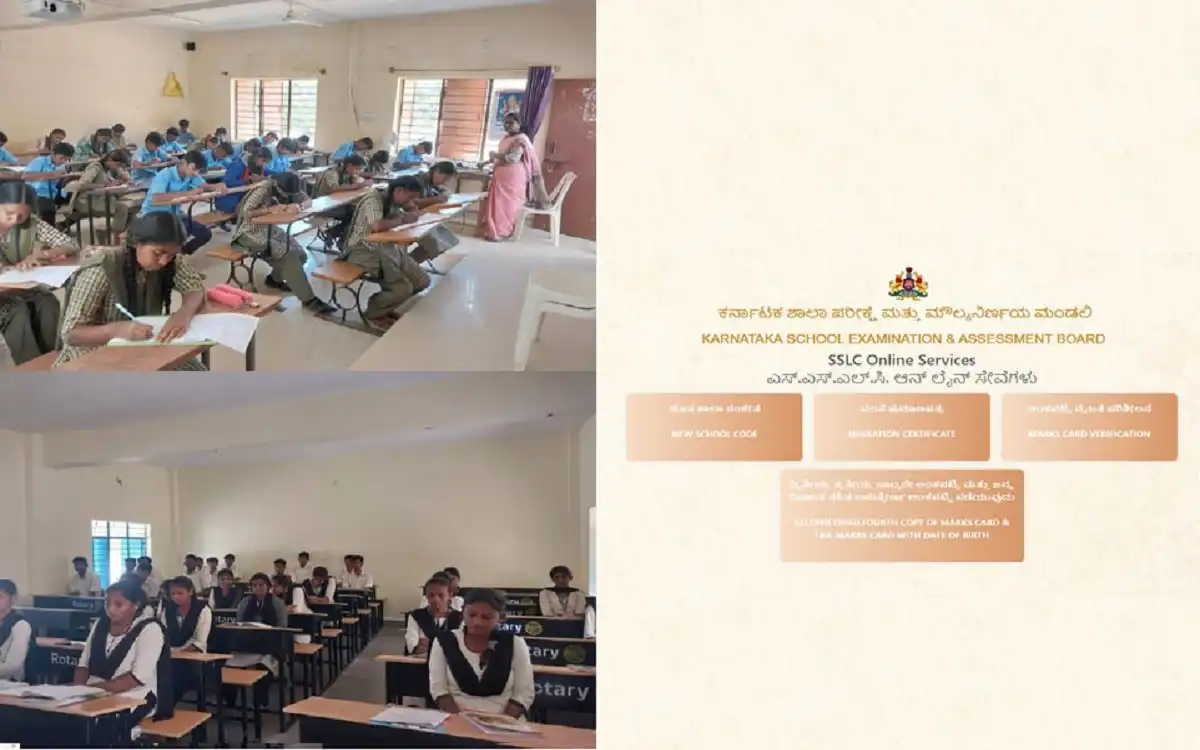
When visiting Bharat (India), particularly the state of Karnataka, it is essential to understand the role of the Karnataka School Examination and Assessment Board (KSEAB). This board, previously known as the Karnataka Secondary Education Examination Board (KSEEB), plays a pivotal role in shaping the educational industry of the region. The Bharat Information shares the history, functions, importance, recent developments, and impact of KSEAB on education in Karnataka.
Introduction
The KSEAB is a crucial entity in Karnataka’s educational framework, responsible for overseeing secondary education. Established in 1966, it has evolved to meet the changing educational needs of students. With recent updates and reforms, understanding KSEAB’s responsibilities and its impact on students is vital for anyone interested in the academic environment of Karnataka.

Overview of Karnataka Secondary Education Examination Board (KSEAB)
Establishment
KSEAB was established in 1966 to enhance and regulate secondary education in Karnataka. Its primary purpose is to ensure that educational standards are maintained across affiliated schools.
Main Functions
The board’s main functions include:
- Conducting Examinations: KSEAB organizes examinations for Class 10 (SSLC) and Class 12 (PUC) students.
- Curriculum Development: It develops curricula and syllabi for secondary education.
- School Recognition: The board grants recognition to schools based on specific criteria.
- Educational Guidance: It provides guidance to educational institutions under its jurisdiction.
Importance of Karnataka Secondary Education Examination Board (KSEAB)

Examinations
KSEAB conducts significant examinations such as:
- SSLC (Secondary School Leaving Certificate): This examination is crucial for students completing Class 10, determining their eligibility for higher education.
- PUC (Pre-University Course): This exam is essential for students completing Class 12.
Educational Standards
KSEAB plays a vital role in maintaining educational standards by implementing various methodologies aimed at improving the quality of education across affiliated schools.
Recent Developments

In October 2022, KSEEB was renamed to KSEAB, reflecting a broader focus on assessment and educational oversight. Recent changes include:
- Removal of Grace Marks: The board has discontinued the practice of awarding grace marks in Class 10 exams to enhance academic integrity.
- Introduction of Three Annual Exams: Starting from the academic year 2023-24, KSEAB will allow students to take three board exams for SSLC and II PUC, reducing stress by enabling them to retain their best scores.
Main Responsibilities of KSEAB

The KSEAB has several Basic responsibilities that shape secondary education in Karnataka:
| Responsibility | Description |
| Conducting Examinations | Organizes SSLC and PUC examinations and other state-level assessments. |
| Curriculum Development | Devises syllabi and courses to maintain educational standards. |
| School Recognition | Grants recognition to schools that meet specific criteria. |
| Educational Improvement Strategies | Implements methodologies to enhance teaching practices and learning outcomes. |
| Support and Guidance | Provides resources and strategies to affiliated institutions. |
| Regulatory Oversight | Regulates the overall secondary education system ensuring compliance with established guidelines. |
How Does KSEAB Impact the Education System in Karnataka?

Karnataka Secondary Education Examination Board (KSEAB) significantly influences Karnataka’s education system through various reforms aimed at enhancing student learning and assessment.
Examination Reforms
- Three Annual Exams: The new examination system allows students to take three board exams for SSLC and II PUC each year. This change aims to reduce stress by enabling students to retain their best scores across attempts.
- Revocation of Grace Marks Policy: Discontinuing grace marks fosters a more competitive environment, ensuring that scores reflect merit rather than leniency.
Curriculum Development and Support

KSEAB is responsible for developing curricula that meet educational standards while providing textbooks and resources for interactive learning. It also engages in capacity-building initiatives aimed at enhancing teaching quality within affiliated schools.
Stakeholder Engagement

While implementing significant changes, there are calls for better stakeholder engagement before new policies are introduced. Experts suggest that involving educators, parents, and students can help address challenges effectively.
Challenges Ahead

- Execution of New Policies: Successful implementation of new examination structures requires meticulous planning between KSEAB and educational institutions.
- Concerns About Feasibility: There are concerns regarding conducting three exams within a short timeframe while ensuring adequate preparation for each attempt.
Basic Examinations Conducted by Karnataka Secondary Education Examination Board – KSEAB
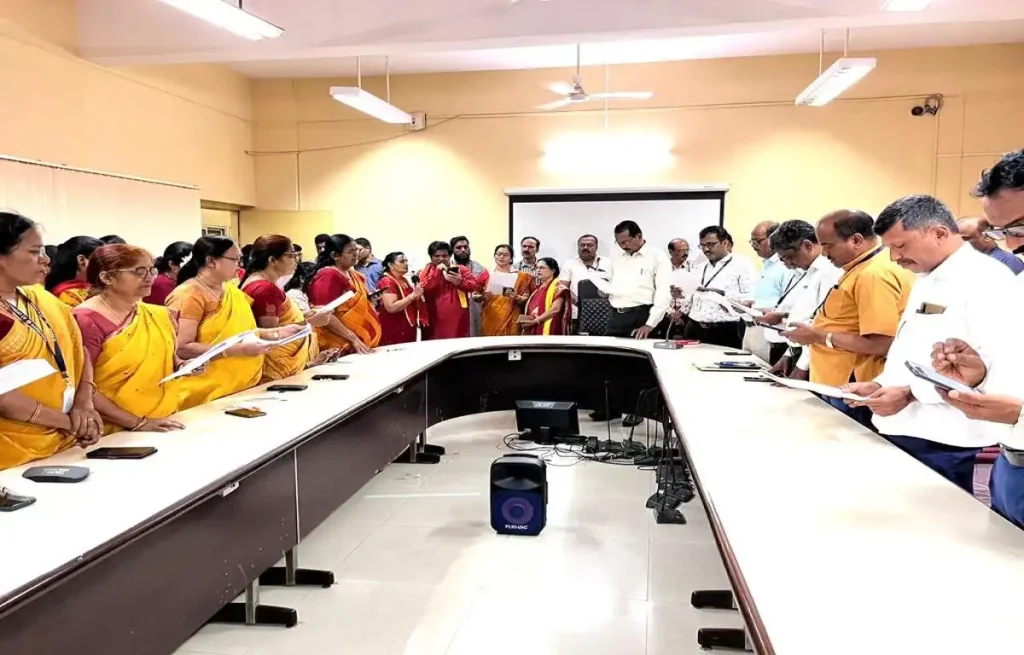
KSEAB oversees several important examinations critical for students’ academic progression:
| Examination Type | Description |
| SSLC (Secondary School Leaving Certificate) | Conducted for Class 10 students; typically held in March/April each year. |
| PUC (Pre-University Course) | Conducted for Class 12 students; generally held in March each year. |
| Supplementary Examinations | Offered for students who do not pass the main SSLC or PUC exams, providing another chance. |
| Other State-Level Exams | Includes specialized courses such as Diploma in Education and Music exams. |
Finally
Understanding the Karnataka School Examination and Assessment Board (KSEAB) is crucial for anyone visiting Bharat, especially those interested in education. The board’s responsibilities extend beyond conducting examinations; it plays a vital role in maintaining educational standards through curriculum development, school recognition, and regulatory oversight.

Recent reforms reflect a commitment to improving student outcomes while addressing challenges within the education system. By engaging stakeholders effectively and implementing policies thoughtfully, KSEAB continues to shape the future of education in Karnataka.
As you plan your visit or involvement with educational activities in Karnataka, keeping abreast of KSEAB’s functions can provide valuable insights into the academic framework that supports students’ growth and success in this vibrant state.
For More Education Update Visit Bharat Information
Image Surece: kseab Gov Website