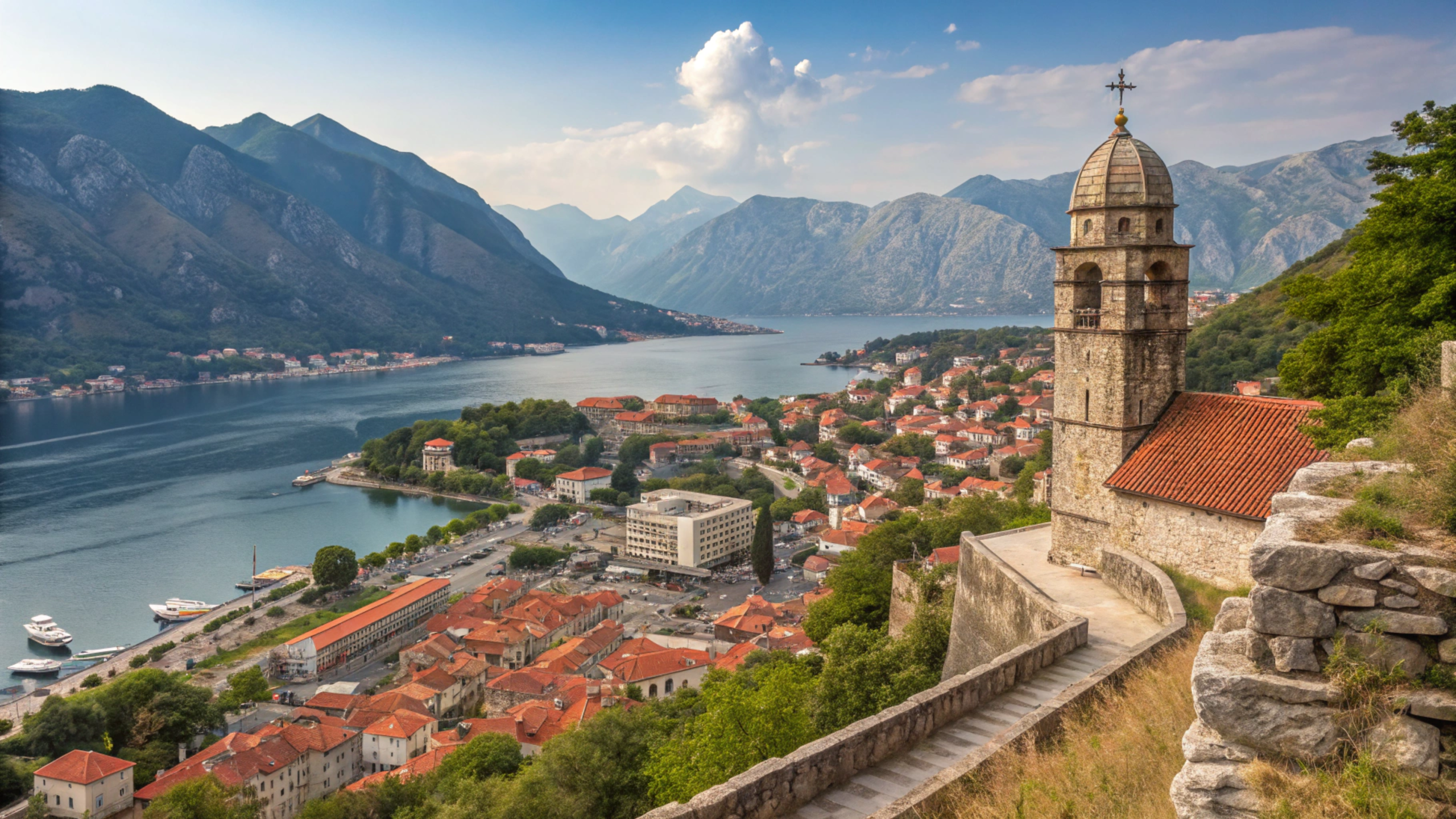
Kotora Melnkalne, known internationally as Kotor, is a breathtaking coastal town nestled on the Adriatic Sea in Montenegro. The term “Melnkalne” is the Latvian word for Montenegro, meaning “Black Mountain,” aptly reflecting the country’s rugged landscapes and natural beauty. Kotor, or Kotora in Latvian, is celebrated for its well-preserved medieval architecture, ancient city walls, and stunning bay views, making it a cultural treasure that connects visitors with Montenegro’s rich heritage and natural splendor.
A Journey Through History
Kotor is one of the oldest settlements in the Mediterranean, with roots tracing back to the Illyrians and Romans. Over centuries, it has been shaped by numerous cultures and civilizations, including the Byzantine Empire, Venetian Republic, Ottoman Empire, and Austro-Hungarian rule. This rich history is visible in the town’s architecture, urban planning, and cherished landmarks.
The medieval Old Town of Kotor stands as one of the best-preserved urban complexes dating from the 12th to the 14th centuries in the Mediterranean region. Its narrow, winding streets and picturesque squares transport visitors back in time. Kotor’s city walls stretch for about 4.5 kilometers (almost 3 miles), flanked by fortifications and watchtowers that once served as crucial defenses against invading forces.
A pivotal chapter in Kotor’s history began in 1420, when the city voluntarily came under the protection of the Venetian Republic to safeguard itself from Ottoman advances. Venetian rule lasted until 1797 and left a lasting impact on Kotor’s architecture and culture. Many of the buildings, palaces, and the layout of the Old Town reflect Venetian Gothic style, making it a unique blend of Mediterranean and Balkan influences.
In 1979, a devastating earthquake damaged many historic buildings, but extensive restoration efforts, with the support of UNESCO, have carefully preserved Kotor’s authenticity. In recognition of its extraordinary cultural and natural heritage, Kotor was designated a UNESCO World Heritage Site.
Architectural Marvels and Cultural Landmarks
Kotor’s skyline is punctuated by remarkable churches, palaces, and public buildings that chronicle its artistic evolution. The crowning jewel is the Cathedral of St. Tryphon, built in the 12th century and dedicated to Kotor’s patron saint. This Romanesque cathedral houses priceless frescoes and a treasury of religious artifacts.
Other notable sites include:
-
The Church of St. Luke (12th century): Known for its Romanesque style and rich iconography.
-
The Church of St. Mary (1221): Featuring medieval frescoes and the remains of an early Christian basilica.
-
Prince’s Palace (17th century): Home to historical exhibitions and a symbol of Kotor’s noble past.
-
Napoleon’s Theater (19th century): Showcases the cultural vibrancy of the town during the Napoleonic era.
The Old Town’s fortified walls offer visitors the chance to hike to the fortress of San Giovanni, perched high above the town. From this vantage point, breathtaking panoramic views unfold over Kotor Bay—the deepest natural fjord-like bay in the Mediterranean, surrounded by jagged mountains and crystal-clear waters.
A Vibrant Cultural Experience
Beyond its history and architecture, Kotor pulses with cultural life. Festivals, traditional music, and local cuisine celebrate the town’s heritage. The residents, known for their warm hospitality, embody the harmonious coexistence of various religious and ethnic groups, adding to the town’s charm.
Walking through Kotor’s markets and cafes, visitors can experience Montenegrin culture firsthand—sample fresh seafood, taste regional wines, and interact with artisans preserving centuries-old crafts.
Exploring Kotor Bay and Surroundings
Kotor is not only about its Old Town but also its incredible natural environment. The Bay of Kotor is considered one of the most beautiful on the Adriatic coast, often compared to a fjord but technically a ria or submerged river canyon.
Nature lovers can take boat tours to nearby islands like Our Lady of the Rocks or enjoy hiking trails that ascend the mountains for unforgettable views. The serpentine road to the fortress is a popular trek for adventurous travelers seeking a rewarding experience.
Why Visit Kotora Melnkalne?
There are many compelling reasons to add Kotora Melnkalne to your travel itinerary:
-
UNESCO World Heritage: Experience a living museum of medieval Mediterranean architecture and urbanism.
-
Cultural Heritage: From its churches to public squares, Kotor preserves centuries of global influences.
-
Stunning Landscape: The combination of mountains, sea, and historic town walls creates a unique visual feast.
-
Historic Stories: The layers of history from Illyrian tribes, Venetian traders, to Ottoman influences enrich every street corner.
-
Authentic Experiences: Friendly locals, vibrant markets, traditional foods, and festivals offer a genuine taste of Montenegrin culture.
How to Get There and Best Time to Visit
Kotor is easily accessible from Montenegro’s main airports in Tivat and Podgorica and is well connected by road to neighboring countries. The best time to visit is from late spring to early autumn, when the weather is pleasant for sightseeing, and outdoor activities like boat tours and hiking are at their peak.
Summary
Kotora Melnkalne, or Kotor, Montenegro, is a stunning coastal town that beautifully blends rich history, cultural heritage, and awe-inspiring natural scenery. Its well-preserved medieval architecture, ancient city walls, and picturesque bay make it a must-visit destination for history buffs, architecture enthusiasts, and nature lovers alike. Whether walking its narrow alleys, exploring historic churches, or enjoying panoramic views from the fortress above, visitors to Kotor are immersed in an unforgettable experience that bridges past and present in the heart of the Adriatic.