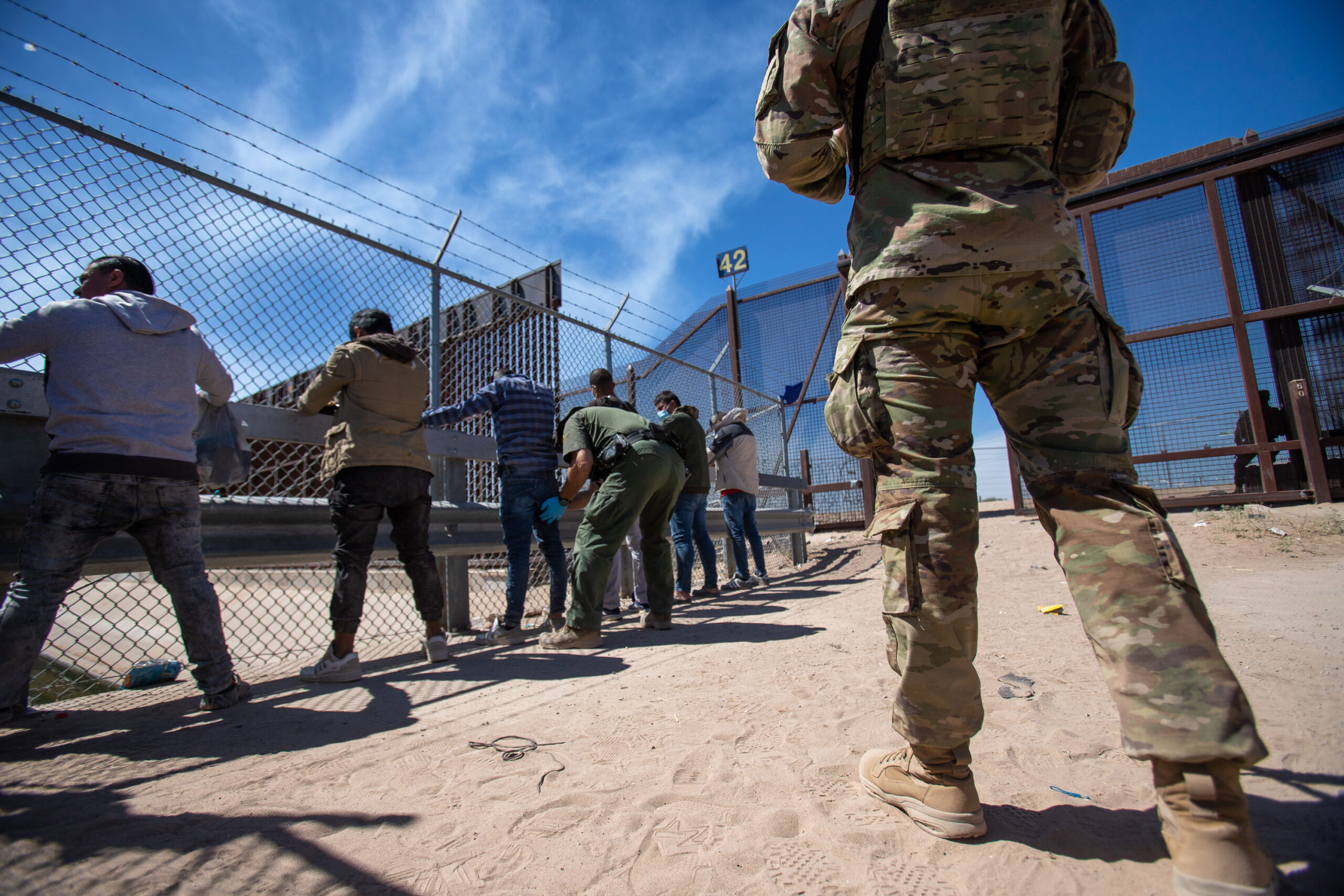
The security of national borders has become a paramount concern for governments across the globe. Borders serve as critical points of entry and exit, and they are often the frontline in the fight against smuggling, human trafficking, and other illicit activities. As threats evolve, border control agencies must adopt advanced technologies to enhance their operations. Among these technologies, X-ray machines have emerged as vital tools in modern border patrol operations, providing enhanced screening capabilities and improving security measures at checkpoints.
How X-Ray Machines Work
X-ray machines utilize ionizing radiation to create images of the contents of vehicles, cargo, and luggage without the need for physical inspection. When X-ray beams pass through an object, they are absorbed differently depending on the density and composition of the materials within. This differential absorption allows operators to identify various substances and objects, including weapons, drugs, and other contraband. With the development of advanced imaging software, operators can analyze these images in real time, making it easier to spot potential threats or illegal items.
The Integration of X-Ray Technology in Border Patrol
The integration of border patrol X-ray machines has transformed the way customs and border enforcement agencies operate. Traditionally, border inspections relied heavily on manual searches, which were not only time-consuming but also prone to human error. With the introduction of X-ray technology, the efficiency of inspections has significantly improved. Border patrol agents can now conduct thorough inspections in a fraction of the time it would take to perform a physical search, allowing them to process more vehicles and passengers in a shorter period.
Enhancing Detection Capabilities
One of the most significant advantages of X-ray machines is their enhanced detection capabilities. The ability to see inside vehicles and cargo containers allows border patrol agents to identify hidden compartments and suspicious items that may not be visible to the naked eye. For instance, smugglers often use sophisticated techniques to conceal illegal goods, such as drugs or weapons, within vehicles. X-ray machines can reveal these hidden compartments, ensuring that fewer dangerous items slip through the cracks.
Moreover, modern X-ray machines can be equipped with advanced features such as dual-energy imaging and 3D imaging. Dual-energy systems can differentiate between organic and inorganic materials, making it easier to identify potential threats. 3D imaging provides a comprehensive view of the contents, allowing agents to assess the shape and size of items within a vehicle or container. These advanced features significantly enhance the effectiveness of border patrol operations, helping agents make more informed decisions during inspections.
Speeding Up Border Processing
In addition to enhancing detection capabilities, X-ray machines play a crucial role in speeding up the border processing time. Long lines at border checkpoints can lead to frustration among travelers and can also pose security risks. By employing X-ray machines, border patrol agencies can reduce the time spent on inspections, allowing them to keep traffic moving smoothly. This not only enhances the overall efficiency of border operations but also improves the experience for legitimate travelers crossing the border.
Reducing Physical Searches and Risks
Conducting physical searches can pose risks to both border patrol agents and individuals being inspected. The presence of potentially dangerous substances or items can create an unsafe situation during manual searches. X-ray machines significantly reduce the need for physical inspections, allowing agents to assess the situation from a safe distance. This not only minimizes the risk to personnel but also protects the rights and dignity of travelers, as they are less likely to undergo intrusive searches.
Addressing Evolving Threats
As criminal organizations become more sophisticated, border patrol operations must continually adapt to new threats. Smugglers are increasingly using advanced methods to evade detection, including using drones and other technology to transport illicit goods. X-ray machines are crucial in staying ahead of these evolving tactics. By integrating cutting-edge imaging technology, border patrol agencies can improve their chances of detecting concealed items and thwarting smuggling operations before they reach their intended destinations.
Training and Expertise
While X-ray machines are powerful tools, their effectiveness largely depends on the training and expertise of the border patrol agents operating them. Proper training is essential to ensure that agents can accurately interpret X-ray images and identify potential threats. Ongoing training programs that incorporate the latest advancements in imaging technology and threat detection are crucial for maintaining the efficacy of border patrol operations. Agencies must invest in the continuous education of their personnel to ensure they are equipped to handle the challenges of modern border security.
The Future of X-Ray Technology in Border Patrol
The future of X-ray technology in border patrol operations looks promising, with ongoing advancements in imaging capabilities and automation. Innovations such as artificial intelligence and machine learning are expected to play an increasingly significant role in enhancing the analysis of X-ray images. These technologies can assist agents in identifying potential threats more quickly and accurately, further streamlining inspection processes.
As global security challenges continue to evolve, the importance of integrating advanced technologies like X-ray machines into border patrol operations will only grow. By adopting these technologies, border enforcement agencies can better protect national security, enhance efficiency, and ultimately create a safer environment for citizens and travelers alike. The role of X-ray machines in modern border patrol operations underscores the commitment to leveraging technology in the ongoing effort to secure borders and combat illicit activities.