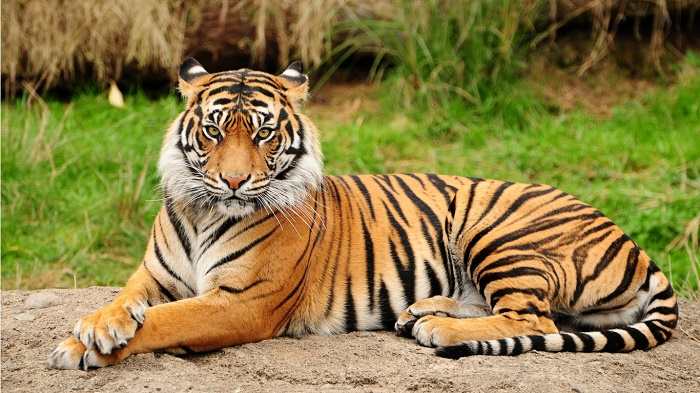
The National Animal of India
India, a country known for its rich culture, history, and biodiversity, has many National symbols that represent its identity. Among them, the national animal of India holds a special place — it is the Royal Bengal Tiger (Panthera tigris tigris).
This majestic creature not only reflects India’s wildlife heritage but also symbolizes strength, courage, and resilience.
What Is the National Animal of India?
The Royal Bengal Tiger was declared the national animal of India in 1973, replacing the lion. This decision was made as part of Project Tiger, a wildlife conservation program aimed at protecting tigers, which were facing severe threats from hunting and habitat loss.
Why Was the Tiger Chosen as the National Animal?
The tiger was chosen for several reasons:
-
Strength and Power: The tiger is a symbol of bravery and courage.
-
Cultural Significance: Tigers are deeply rooted in Indian mythology, folklore, and art.
-
Conservation Importance: Declaring it a national symbol raised awareness about saving this endangered species.
-
Representation of Diversity: Tigers inhabit various ecosystems across India — from dense forests to mangroves.
Scientific Classification of the Royal Bengal Tiger
-
Kingdom: Animalia
-
Phylum: Chordata
-
Class: Mammalia
-
Order: Carnivora
-
Family: Felidae
-
Genus: Panthera
-
Species: Panthera tigris tigris
Habitat of the National Animal
The Royal Bengal Tiger thrives in diverse habitats:
-
Dense tropical forests
-
Mangrove swamps (like the Sundarbans)
-
Grasslands
-
Himalayan foothills
India has over 50 tiger reserves that are part of Project Tiger, ensuring their protection and growth.
Interesting Facts About the National Animal of India
-
Largest Tiger Subspecies: The Bengal tiger is one of the biggest tiger species in the world.
-
Apex Predator: It sits at the top of the food chain, maintaining the balance of ecosystems.
-
Solitary Nature: Tigers are territorial and prefer to live alone.
-
Swimming Skills: Unlike many cats, tigers enjoy water and are excellent swimmers.
-
Population: As per the 2023 census, India has over 3,000 tigers, making it home to 70% of the world’s tiger population.
Cultural and Mythological Significance
In Indian culture:
-
The tiger is associated with Goddess Durga, who rides a tiger as a symbol of power.
-
It features in Indian folklore, tribal art, and literature as a symbol of courage and protection.
Conservation Efforts – Project Tiger
Launched in 1973, Project Tiger aimed to:
-
Protect tigers from poaching.
-
Preserve their natural habitats.
-
Increase awareness about wildlife conservation.
Due to these efforts, tiger numbers in India have steadily risen over the past decades.
Why Is It Important to Protect the National Animal?
-
Maintains Ecological Balance: As a top predator, tigers help control herbivore populations.
-
Tourism Value: Tigers attract wildlife tourism, boosting the economy.
-
Biodiversity Conservation: Protecting tigers also protects their entire ecosystem.
Conclusion
The Royal Bengal Tiger, the national animal of India, is more than just a wildlife symbol — it represents India’s courage, heritage, and commitment to conservation. Protecting this majestic animal is a responsibility every citizen shares to preserve the country’s rich natural heritage for generations to come.