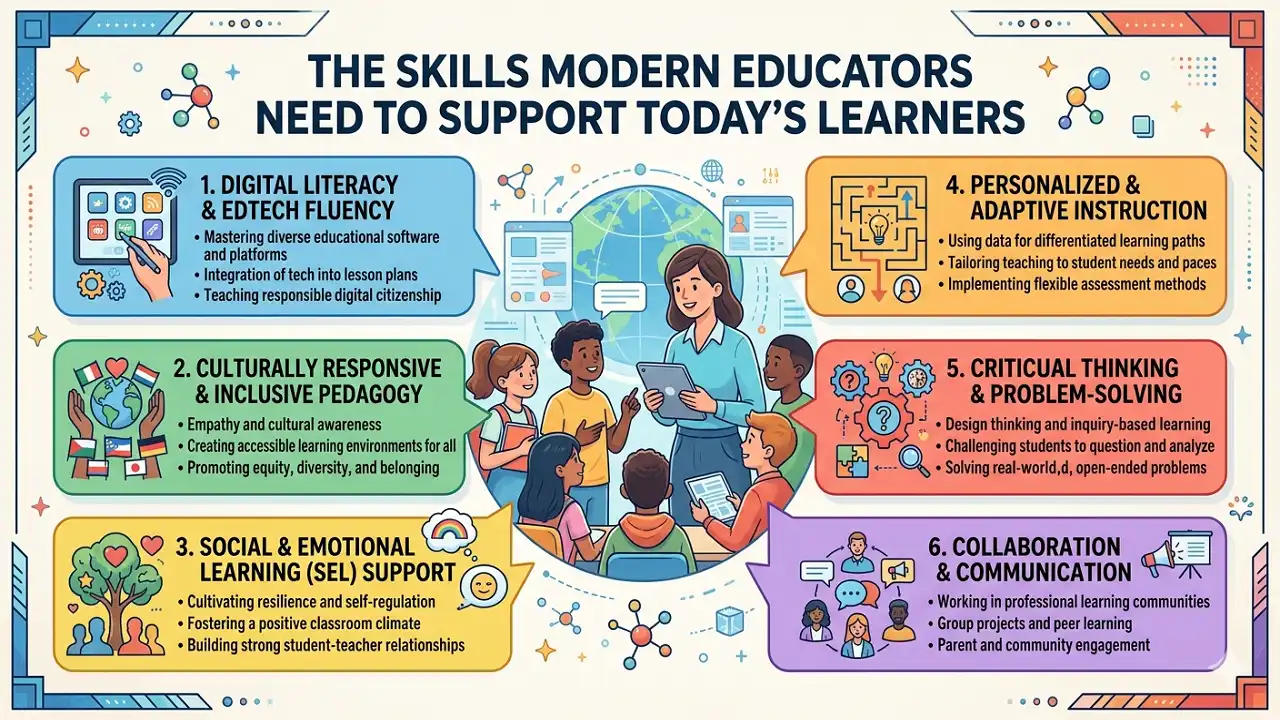
Teaching today does not look much like it did a generation ago. Classrooms are more varied, students bring different kinds of challenges with them, and technology is part of almost every lesson. Because of that, teachers need more than subject knowledge. They need patience, flexibility, and a good sense of what their students are dealing with on any given day. The job has shifted from simply delivering information to creating a space where kids feel supported enough to learn.
The Value of Ongoing Training
Most teachers will tell you that learning never really stops. New expectations show up all the time, and staying effective means staying open to growth. That is where professional development for teachers becomes so important. It gives educators a chance to pick up new ideas, refresh old skills, and stay connected to what students need right now.
Some teachers take graduate courses or short certificate programs at a local college to build confidence in areas they want to strengthen. Others look for workshops that help with classroom management or supporting different learning styles. Whatever the format, investing in their own learning helps teachers feel more prepared and more grounded. It also gives them fresh ways to reach students who might not respond to traditional methods.
Integrating Technology Seamlessly
Technology shows up in almost every classroom now, but using it well is not as simple as handing students a device. Teachers have to feel comfortable with the tools themselves before they can expect students to benefit from them. That means knowing which programs actually help kids understand the material and which ones just look impressive for a week and then get in the way.
Most teachers learn quickly that not every app is worth the time it takes to set up. The useful tools are the ones that make lessons clearer or help students practice skills without turning the classroom into a tech circus. When teachers feel confident with the technology they choose, they can bring it into the day without breaking the flow of a lesson.
Students notice the difference. They get clearer explanations, quicker feedback, and a learning experience that feels connected to the world they already live in. And teachers get something just as important. They get a classroom that runs a little smoother and gives them more space to focus on the students in front of them instead of troubleshooting one more login screen.
Developing Emotional Intelligence
A lot of what makes a classroom feel safe comes down to how well a teacher can read the room. Sometimes it is obvious when a student is having a hard day, and sometimes it is not, but a teacher who pays attention usually picks up on the small signs. When they respond with patience instead of pressure, students start to relax. They feel like they have room to try, even if they are not sure they will get everything right the first time.
Social-emotional learning has grown in importance because it helps with exactly that. When teachers show calm, empathy, and a bit of resilience in their own behavior, students learn how to handle their feelings and treat others with more care. A classroom built on trust gives kids permission to ask questions, take chances, and understand that mistakes are simply part of learning. They do not have to hide them or feel embarrassed. They can just keep going.
Emotional intelligence also helps teachers communicate with families and administrators. Clear, steady conversations make it easier for everyone to work together to support a student. When the adults in a child’s life are aligned, the whole learning experience becomes more stable and more productive.
Teaching has never been simple, and it certainly is not now. But when educators stay curious, keep learning, and lead with empathy, they create classrooms where students can grow in ways that matter. These skills help teachers support the next generation with care, patience, and a sense of purpose. And that is what students remember long after the school year ends.